The bell above the jewelry store door gives a soft chime as I step inside. The sound feels too gentle for what I have come to do. Rain slides down the glass behind me, distorting the lights of the parking lot. The air smells of polish and metal. Under the bright display cases, diamonds gleam like trapped lightning, each one waiting for someone to believe in it.

I place the ring box on the counter. The clerk looks up, young and nervous, the kind of man who still believes love is clean. His manager appears from the back, her gold watch bright against her wrist. She takes me in the way women learn to read danger, quick and complete.

When she opens the box, the diamond catches the light like a held breath. She tilts it with tweezers, admiring the clarity.

“Beautiful,” she says. “Are you looking to sell or trade?”

“Neither,” I say. “I want to return it.”

Her brows lift slightly. “We don’t usually take returns after thirty days.”

“It’s been longer than that.”

The manager gestures for the receipt. The paper is soft from being folded too many times. The name at the top is not mine. She looks up.

“We would have to work with the original purchaser.”

“He’s gone.”

Her eyes narrow, then soften. Behind her, the clerk straightens a row of necklaces that do not need straightening.

“We can at least clean it for you,” she says.

I nod. “Please.”

The clerk disappears to the back. The hiss of steam fills the silence between us.

The manager asks if it is an heirloom.

“It was supposed to be,” I say.

She studies me. “He left you?”

I shake my head. “He stayed long enough to make me wish he hadn’t.”

Her hand pauses over the counter. She says nothing, but something in her eyes flickers, a recognition that passes between women who have survived the same kind of story.

When the clerk returns, the diamond gleams with unnatural light. The manager inspects it through a loupe. “Would you like to sell it?”

“I want something engraved.”

She blinks. “We only engrave items purchased here.”

“I bought it,” I say. “Just not with money.”

Her hand stills. She gestures for the ring. “What would you like it to say?”

I hand her a folded note. She reads it twice, her lips tightening as she murmurs the words.

Ask me the worst thing you have done.

Her eyes lift. “We don’t engrave messages like that.”

“You engrave promises,” I say. “This one tells the truth.”

The clerk looks up briefly, unsure whether to breathe. The manager studies me for a long moment, then takes the ring to the back without another word.

While she is gone, I remember how he slid that same ring onto my finger behind the church after choir practice. His hands trembled, his mouth full of apologies for things I had not learned yet. I thought the shaking meant tenderness. It meant guilt.

The lies came later. The late-night calls he stepped outside to take. The lipstick I found on his undershirt that did not match mine. The day he called me hysterical for crying and told his friends I had imagined everything. He said women like me were too emotional, that I should be grateful anyone loved me at all.

I wore the ring through every humiliation, as proof that I was chosen. He gave it to me to keep me quiet, but metal remembers everything it touches.

The manager returns, the ring between her fingers. “It’s done,” she says softly. “The words are hidden near the base. You would need to know where to look.”
“Good.”

Her eyes rest on me longer this time. “Would you like to sell it back?”

“No. I would like you to put it in the case.”

Her hand stills. “You don’t want the money?”

“I already got what I needed.”

She hesitates, then nods. When she reaches for the ring, her fingers brush mine. There is a tremor in her touch, faint but familiar, as if she too once returned something she never got back. Without another word, she lifts the ring and places it among the others. Under the glass, it looks harmless again. The clerk tags it with a little white price card.

I pay for the cleaning in cash. “Thank you,” I say.

“For what?”

“Listening.”

Outside, the rain has thinned to a silver mist. I sit in my car, engine off, and wait.

It does not take long.

A few hours later, as expected, a young couple enters, glowing with that shared belief that love is proof of goodness. They move from case to case, laughing, touching everything they cannot afford. The clerk guides them to my ring.

The man picks it up, admiring how it flashes in the light. He slides it onto the woman’s hand. It fits.

Through the glass, I can see the moment she feels the weight of it. Her smile flickers, then fades. The store lights seem to dim around her.

She says something I cannot hear. Her shoulders square.

The man laughs, brushing it off, but she does not. She looks down again. Her lips move. The question finds him.

The air in the store shifts. The clerk stops moving. The manager folds her arms and watches.

The man says something, quick and defensive. His shoulders tighten. He gestures toward the door, but the woman does not move. She asks again, voice steady now.

He tries to smile, then looks away. His mouth keeps moving. I can see the rhythm of excuses, the familiar shape of lies. The same dance I once performed, the woman asking, the man denying, the world pretending not to hear.

She waits him out. When he runs out of words, he lowers his head. His mouth keeps forming smaller sounds until finally she closes her hand into a fist.

For a moment, no one in the store moves. Even through the glass, I can feel the silence break, sharp as glass underfoot. The overhead lights hum with a faint static that fills the space where his voice runs out.

She removes the ring and sets it on the counter with deliberate care. Her face does not crumble. It hardens into something clean. She thanks them both and walks out into the gray.

The man stands alone, still talking to the space she left behind. The clerk avoids looking at him. The manager closes the ring box and does not put it back on display.

Outside, the man catches up to her in the parking lot. I watch them through the rain. He grabs her arm. She shakes free. He tries to speak, but she does not stop walking. She steps into the streetlight’s halo and keeps going, the rain tracing silver down her hair.

He stays behind, shoulders sagging, the umbrella collapsing at his feet.

Inside the store, the manager lingers by the counter, hand resting on the closed box. I can see her reflection in the glass. Her mouth forms the words I already know. Ask me the worst thing you have done.

I start the car. The rain turns soft, like applause.

The streets smell of asphalt and salt. The billboards look newly washed, their promises too bright to believe.

At home, I place the empty velvet box beside the sink and wash my hands. The water runs cold. The sound steadies me. My reflection stares back, same face, same eyes, only clearer.

I do not feel lighter. I do not feel holy. But I feel awake.

Somewhere, that ring will wait again. Maybe next week. Maybe next year. Someone else will find it, lift it, slide it on.

And when the question reaches them, the air will shift.

Ask me the worst thing you have done.

It will not punish. It will reveal.

And somewhere, someone will finally answer.

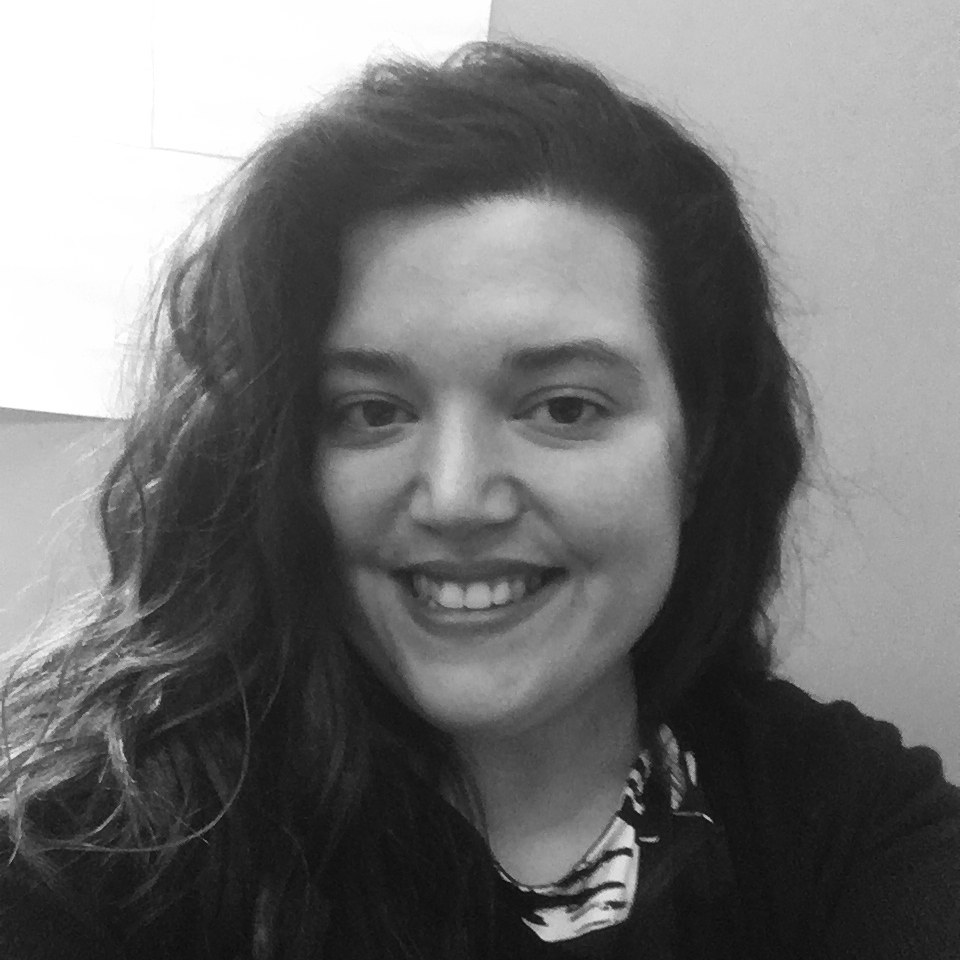
Bethany Bruno is a Floridian author and amateur historian. Born in Hollywood and raised in Port St. Lucie, she holds a BA in English from Flagler College and an MA from the University of North Florida. Her work has appeared in more than ninety literary journals and magazines, including The Sun, McSweeney’s, River Teeth’s Beautiful Things, Brevity, and The Huffington Post. A Best of the Net nominee, she won 2025 flash fiction contests from Inscape Journal and Blue Earth Review and was a finalist in the 2026 Saturday Evening Post Great American Fiction Contest. Learn more at www.bethanybrunowriter.com. Her favorite feud is Disney World versus Universal Studios, because nothing brings Floridians together like fighting over who does nostalgia better.